THE PORTFOLIO

The 8 Governed Hospitality Systems

Eight distinct hospitality systems, each with its own Condition of Life, territorial logic, typologies and institutional corpus.

THE PORTFOLIO

From Conditions of Life to Perceptible Hospitality Concepts

Eight systems. Distinct expressions of life.

A Condition of Life may initially appear abstract. Within a Governed Hospitality System, however, it becomes a concrete and perceptible hospitality concept.

Territory, architecture, interiors, service and operations translate the founding Condition of Life into a coherent atmosphere and an integrated spatial and operational system. The concept becomes a structured environment with a defined identity that can be developed, applied and maintained throughout the project.

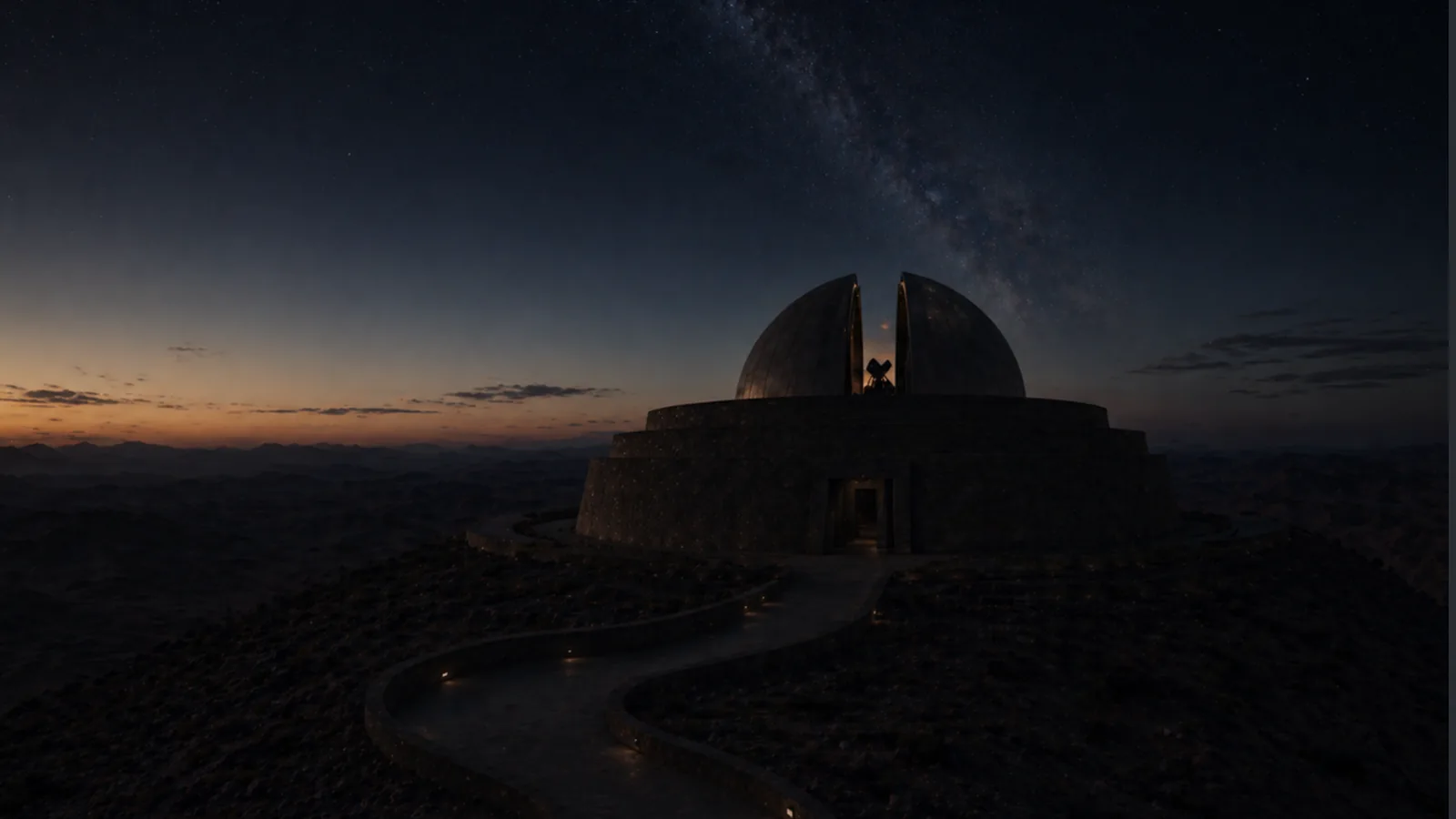
01NAARAWithdrawalRebirth in the Vastness of InfinityThe sensation of being beyond noise, density and social exposure, in the presence of silence, darkness and vastness.Favour territorial isolation, minimal architecture, the night sky and invisible support.NAARA conceptual observatory beneath a dark star-filled sky
THE FOUNDING THOUGHT

NAARA begins with an experience of vastness.

Its founding thought emerged from territories where distance alters perception, silence becomes physically perceptible, darkness restores the scale of the night sky and time seems to move differently. In such environments, emptiness is not absence. It becomes space, presence and perspective.

From this came the Condition of Life of Withdrawal: not withdrawal from existence, but enough distance from density, noise, constant visibility and continuous stimulation for another relationship with oneself and the world to become possible.

NAARA therefore begins with territory rather than architecture. The landscape carries the condition before anything is built. Architecture enters carefully, providing shelter and human proportion while allowing the larger environmental reality to remain dominant.

The experience unfolds across three scales. At human scale, there is privacy, shelter and bodily calm. At landscape scale, distance and horizon restore proportion. At cosmic scale, darkness, time and the sky place human presence within something immeasurably larger.

Silence gives the territory depth. Darkness reveals it. Distance protects it. Time completes it.

NAARA is founded on the belief that hospitality can protect conditions of vastness rather than fill them.
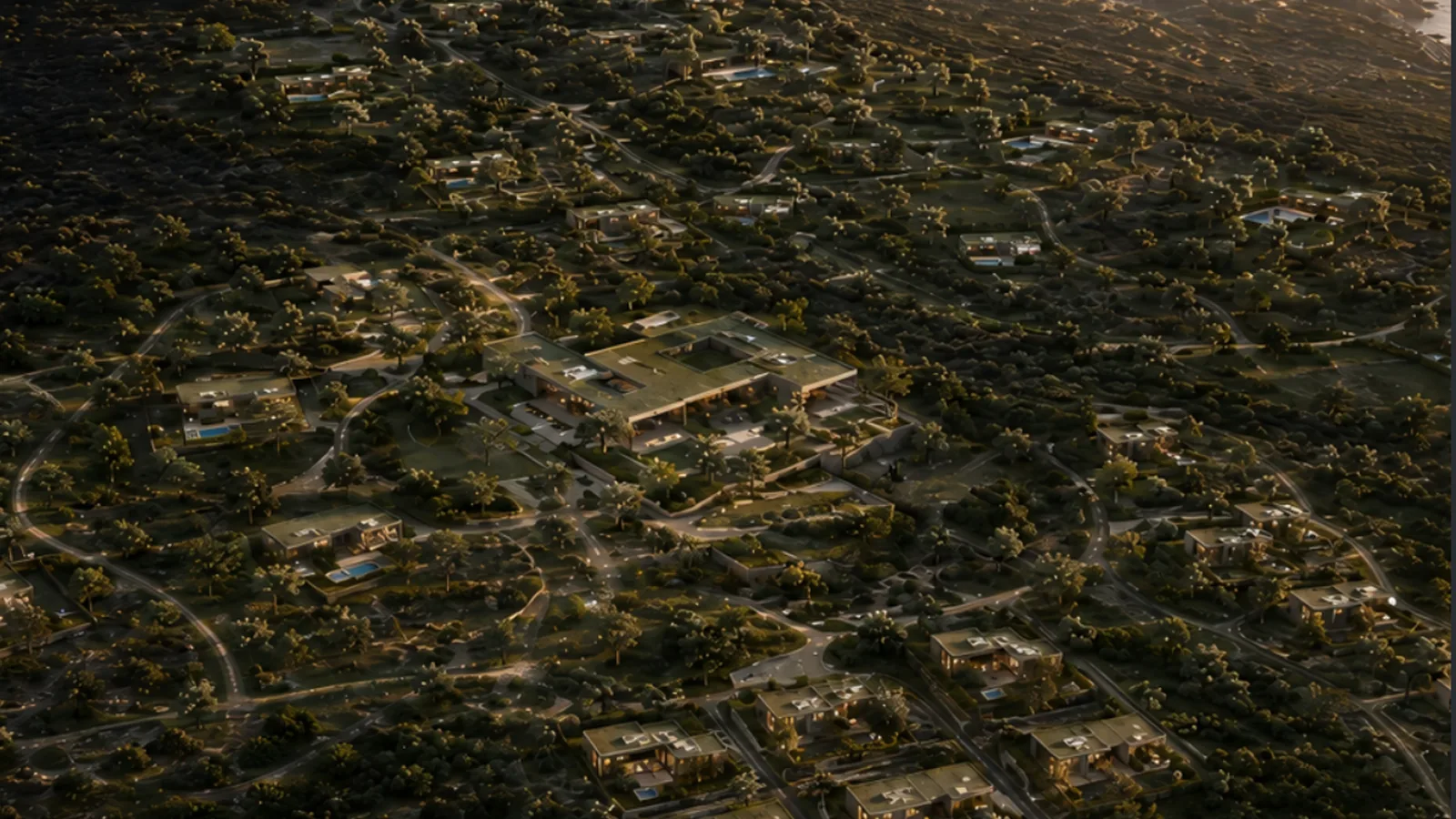
02AERAContinuityThe Art of StayingThe calm continuity of personal life, as if the stay extended home rather than interrupted it.Favour privacy, familiar rhythms, domestic-scale spaces, long stays and discreet service.Aerial view of AERA low-density villas immersed in a planted landscape
THE FOUNDING THOUGHT

AERA begins with a condition increasingly characteristic of contemporary life: fragmentation.

People move between cities, professional obligations, family structures, digital environments and changing rhythms. Conventional hospitality often responds by creating interruption: leaving ordinary life behind in order to enter a temporary world of experience. Permanent living offers the opposite problem: stability without the flexibility required by increasingly mobile lives.

AERA emerged between those two conditions.

Its governing idea is Continuity: the possibility of moving between territories without repeatedly breaking the continuity of everyday life.

Duration therefore matters. So do autonomy, privacy, calm proximity to active life and the ability to inhabit a place without continually being directed toward programmed experiences. Architecture becomes support rather than spectacle. Service becomes increasingly discreet. Territory provides enough separation from pressure without requiring isolation from contemporary life.

The longer someone remains, the environment should become easier to inhabit rather than more demanding of attention.

AERA therefore proposes another understanding of luxury: not continuous abundance or stimulation, but the ability to preserve attention, personal rhythm, autonomy and coherent presence over time.

The Art of Staying is ultimately the art of allowing life to continue.

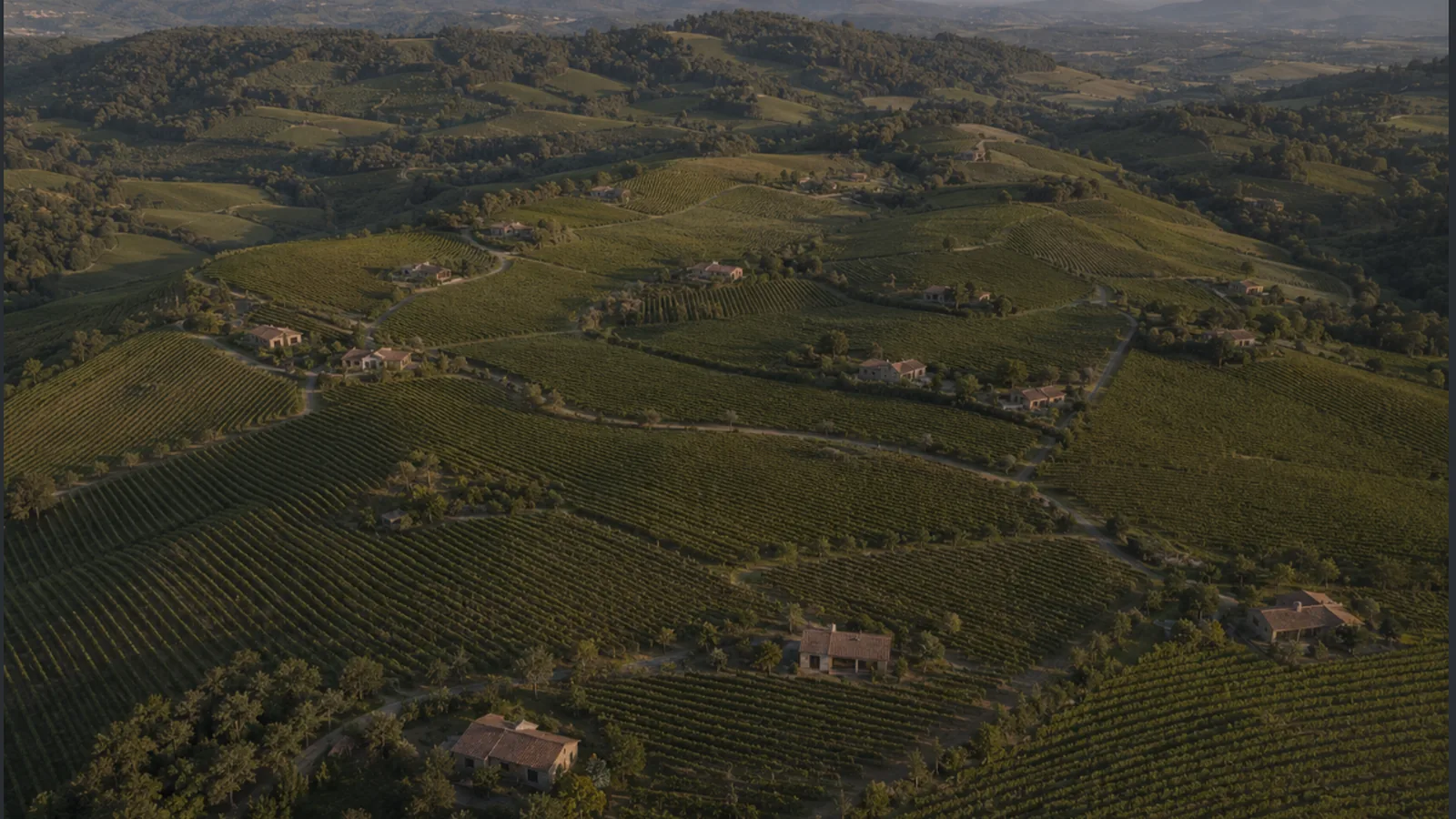
03ORIGORootednessWhere Life Takes RootThe feeling of belonging to a productive landscape shaped by soil, seasons and local work.Favour dispersed pavilions, local materials, production, seasonal food and a direct relationship with the land.ORIGO pavilion hospitality integrated into productive vineyards
THE FOUNDING THOUGHT

ORIGO begins with the observation that contemporary life is increasingly organized by external systems: schedules, professional identity, communication, visibility, consumption and continuous management of time.

Its Condition of Life is Rootedness.

Rootedness is not nostalgia, retreat or an idealization of rural life. It is the possibility of inhabiting a living productive landscape with enough autonomy, duration and silence for one’s own rhythm to become perceptible again.

The productive land is essential because its life does not revolve around the occupant. Crops grow, seasons change, land rests and renews according to rhythms that precede and exceed human schedules. The occupant enters that continuity rather than becoming its centre.

This changes the role of hospitality. Instead of filling time, ORIGO leaves room for it. Instead of organizing the person through programming and visible service, it supports autonomous inhabitation. Simplicity is therefore not aesthetic reduction; it is the discipline of removing what would continually pull attention away from land, time and ordinary life.

The person inhabiting ORIGO remains connected to their own work, thoughts and rhythms, but within a territory whose productive life gives those rhythms another reference.

ORIGO is founded on the idea that life does not begin with what is built. It begins with what remains alive around it.

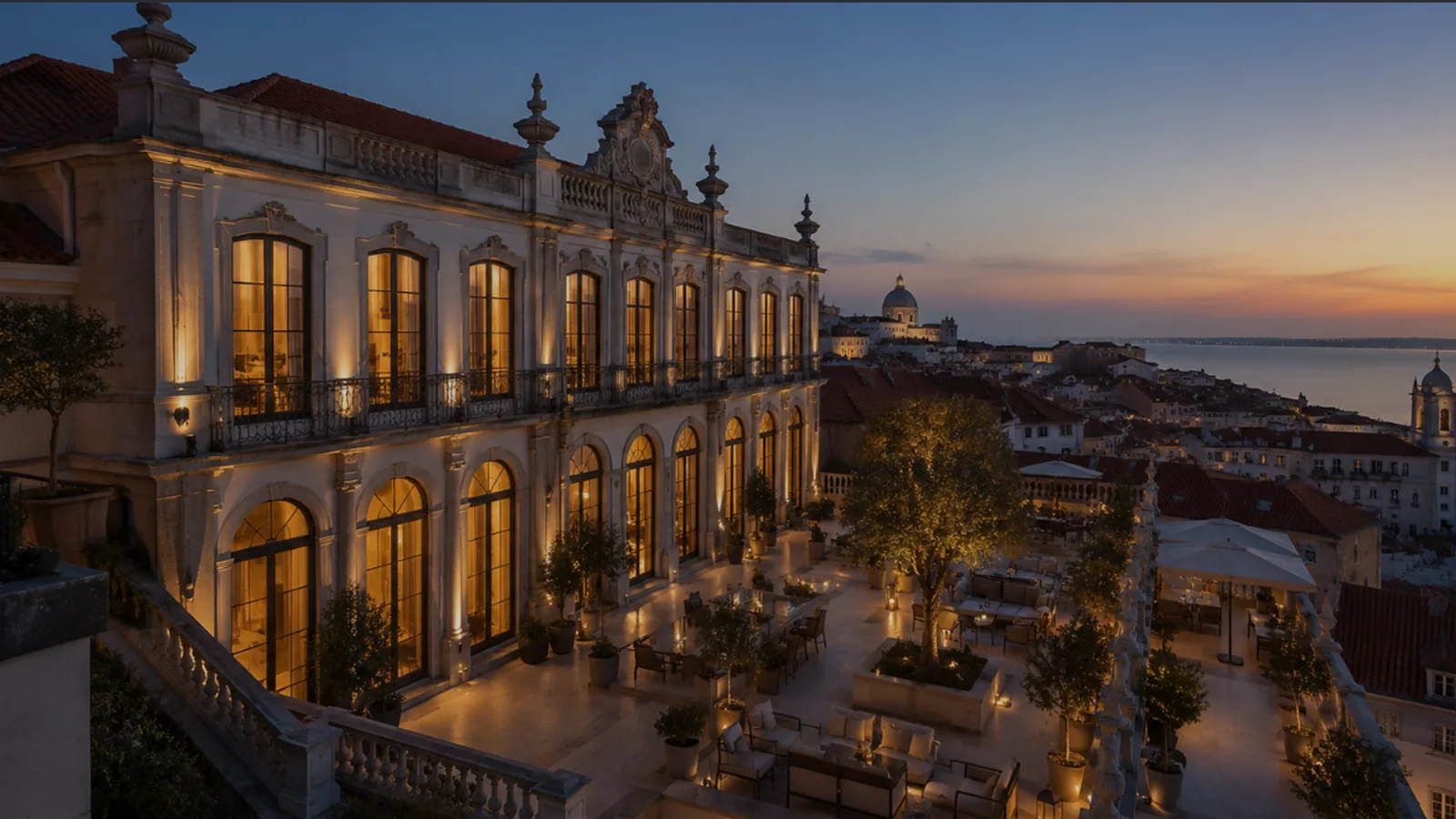
04ATRIAPresenceWhere the City Has MemoryAttentive presence within a historic building and the living memory of the city.Favour authentic fabric, proportion, light, silence, craftsmanship and a direct relationship with the city.ATRIA restored historic urban building overlooking a living city
THE FOUNDING THOUGHT

ATRIA begins with a question about Presence: how can hospitality allow someone to remain genuinely within a city rather than merely occupy accommodation inside it?

Presence is not visibility, activation or constant social participation. It is a deeper condition of belonging temporarily to an urban environment whose architecture, memory and everyday public life remain perceptible.

For ATRIA, the existing building is therefore not simply real estate awaiting conversion. It carries accumulated time. Streets, thresholds, façades, courtyards, materials and patterns of use connect the building to a city that existed before hospitality entered it.

Adaptive reuse becomes more than conservation. It is a way of allowing architecture to continue participating in contemporary life.

ATRIA therefore privileges inhabitation over consumption, architectural continuity over reinvention, atmosphere over spectacle and composure over constant activation. Hospitality supports the life already contained by the building and the city instead of constructing a parallel world inside them.

The objective is not to freeze history, nor to reproduce the past. It is to allow memory and contemporary life to coexist without either becoming theatrical.

ATRIA is founded on the belief that a historic building remains most alive when it continues to be inhabited as part of the living city around it.

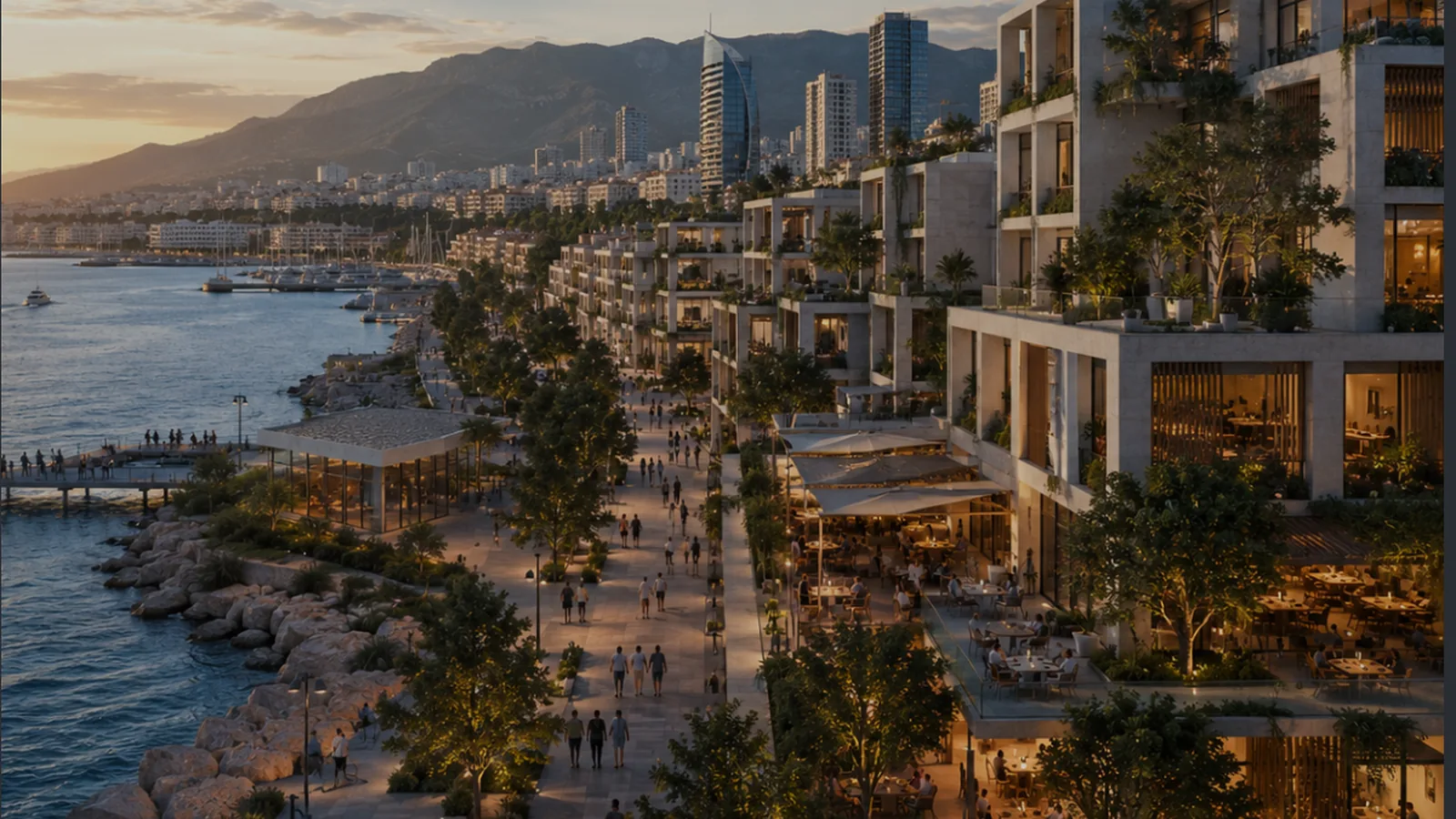
05EPTTEngagementEngagement Protected Through TerritoryThe sense of participating in the real life of a place through food, culture, movement and public life.Favour permeability, credible local uses, genuine exchange and architecture derived from climate and site.EPTT contemporary coastal mixed-use development and public waterfront
THE FOUNDING THOUGHT

EPTT begins with a question that precedes architecture: what should hospitality protect before deciding what hospitality should contain?

Its answer is Engagement.

Engagement is the possibility of participating in meaningful territorial life through encounter, food, movement, architecture, culture, public presence and shared space. But participation remains voluntary. The individual retains the freedom to withdraw, return to privacy and determine their own level of involvement.

This distinction is essential. Engagement is not programming, entertainment or manufactured activity.

EPTT therefore begins with the living territory. Climate, food culture, architecture, public life, movement, landscape and memory already exist before the hotel arrives. Hospitality becomes a consequence of understanding those conditions rather than a transferable product placed on top of them.

Because territories differ, EPTT does not seek visual repetition. A city, a coast and a mixed-use environment can look fundamentally different while remaining faithful to the same underlying condition.

Its coherence lies in relationships rather than appearance: between territory and hospitality, architecture and public life, participation and privacy, culture and everyday use.

EPTT repeats principles, not places. Engagement becomes credible only when the territory gives it real form.

06KAAZAEngagement in AfricaPlaces Across AfricaAn active relationship with contemporary Africa, not passive observation from an isolated hotel.Favour contemporary creation, cuisine, encounters, local uses and spaces genuinely connected to the territory.KAAZA contemporary African climate-responsive coastal hospitality
THE FOUNDING THOUGHT

KAAZA begins with a question about contemporary African hospitality: what does it mean to belong to a place rather than simply visit it?

Its Condition of Life is Engagement Africa.

KAAZA starts from the recognition that Africa cannot be reduced to one market, one aesthetic or one hospitality narrative. Its cities, coasts, productive landscapes, climates, food cultures, architecture, music, materials and social rhythms generate profoundly different conditions of life.

The system therefore begins with place before hospitality.

Hospitality should not be imported as an international formula and subsequently decorated with African references. Nor should contemporary African hospitality depend on nostalgia or folklore. It should emerge from the actual territory: its climate, contemporary culture, public life, architecture, food, movement and human presence.

This means that different KAAZA projects may look radically different. Their coherence does not depend on repeating an architectural signature. It comes from the way each project belongs to its territory while protecting the same underlying condition of Engagement.

KAAZA values atmosphere before branding and human presence before hospitality performance. It seeks environments that feel socially alive without becoming theatrical and architecturally ambitious without becoming detached from place.

KAAZA is founded on the belief that contemporary African hospitality should emerge from Africa itself.

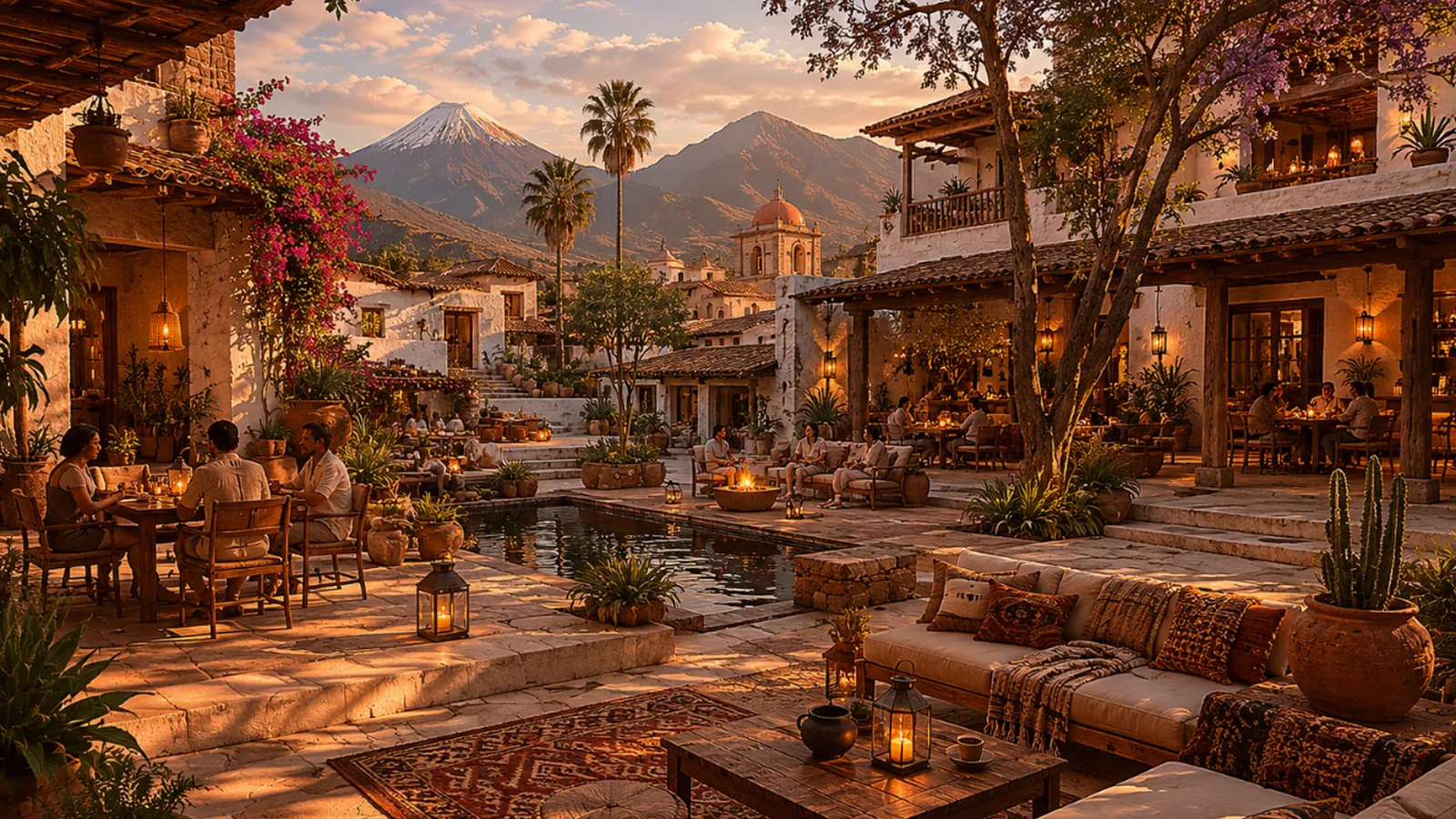
07AYLLUEngagement in Latin AmericaPlaces Across Latin AmericaNatural participation in the social warmth, living cultures and daily rhythms of Latin America.Favour human connection, living craft, food, neighbourhood, landscape and spontaneous participation.AYLLU contemporary Latin American hospitality and sheltered courtyard
THE FOUNDING THOUGHT

AYLLU begins with the same broad human condition of Engagement, but within the extraordinary territorial and social diversity of Latin America.

Latin America is not treated as one hospitality market or one visual identity. Cities, neighbourhoods, coasts, mountains, productive landscapes, climates, food cultures, music, public spaces and patterns of social life vary enormously.

AYLLU therefore begins by understanding how a place already lives.

How people gather. How climate affects behaviour. How food structures social exchange. How streets and public spaces are inhabited. How architecture creates atmosphere. How light, sound, landscape and material culture contribute to a territory’s identity.

Only afterwards does hospitality emerge.

This is why AYLLU seeks coherence without erasing difference. The system does not need projects to look alike. It needs each one to become credible within its own place while remaining connected to the same institutional thought.

The aim is contemporary Latin American hospitality, not through decorative references or imported formulas, but through environments that feel inseparable from the territories and cultures that produced them.

Hospitality becomes a participant in local life rather than an enclosure from which the destination is merely observed.

Every AYLLU place begins with the conviction that belonging cannot be imported. It must emerge from where the project actually is.

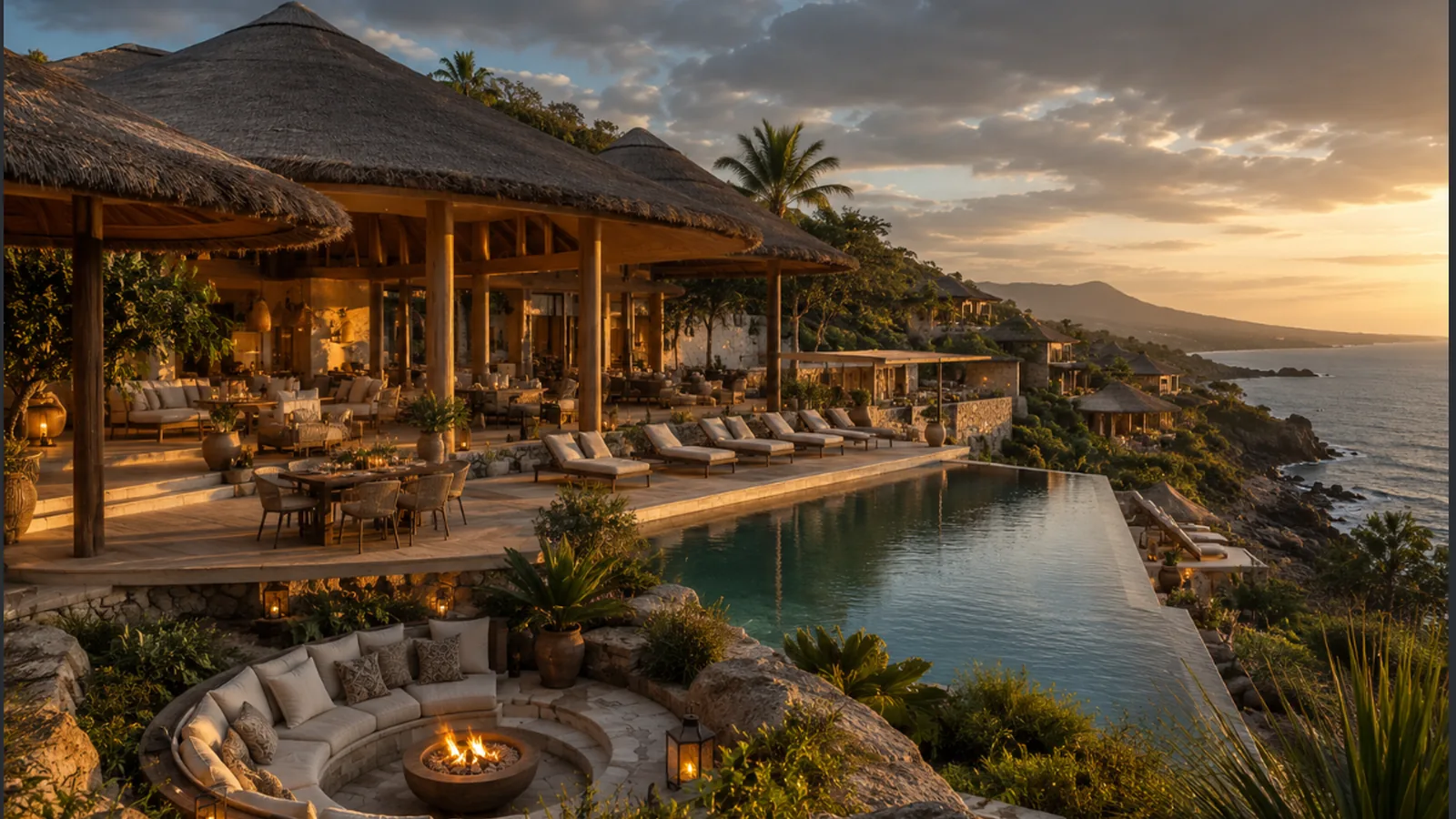
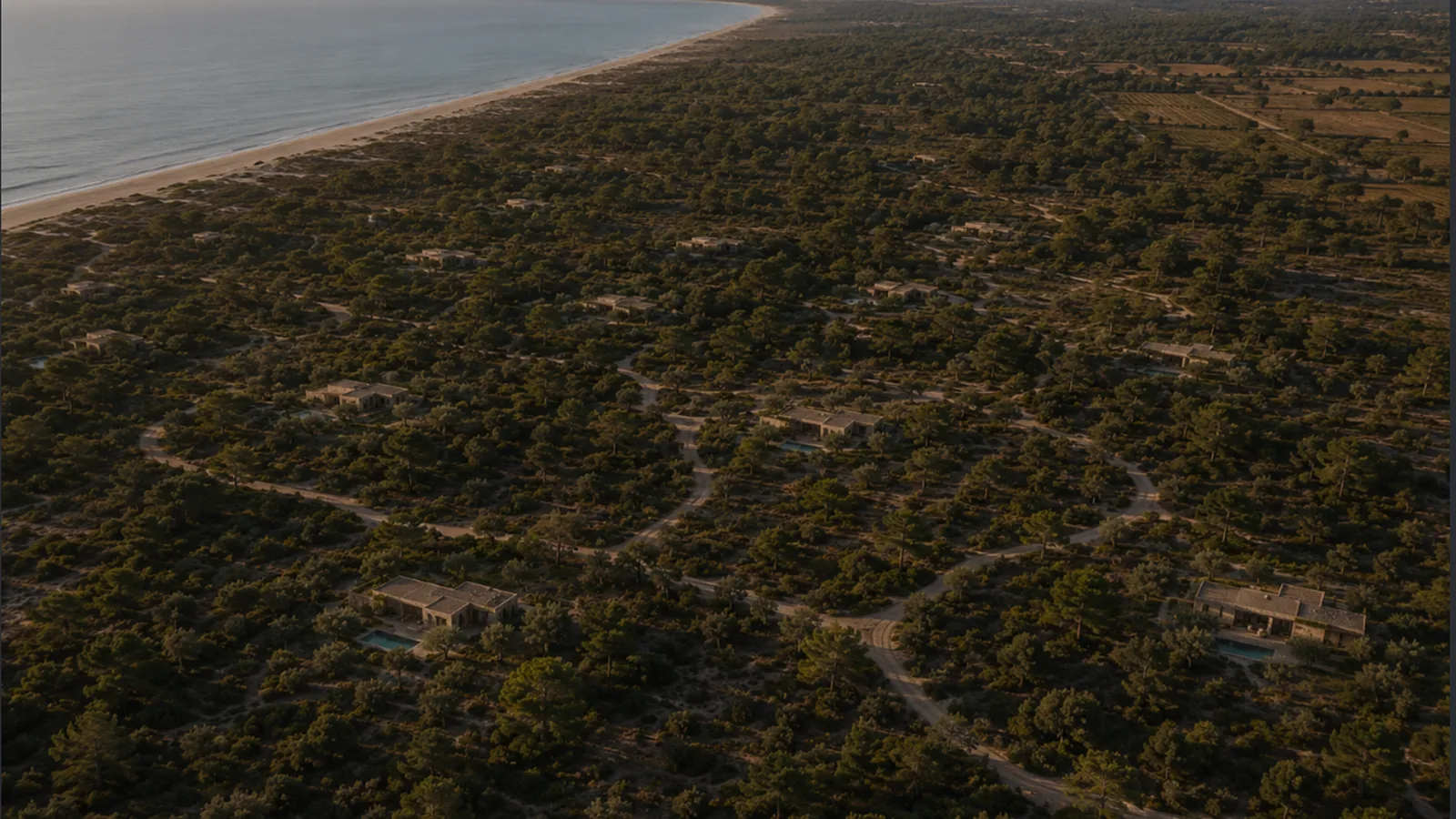
08CONTEXTIOEmbeddednessThe Art of BelongingThe feeling that hospitality belongs naturally to the place, as if the architecture and the stay had emerged from the landscape itself.Favour a discreet Main House, Landscape Pavilions derived from their micro-sites, and architecture guided by topography, climate, vegetation, views and material conditions.CONTEXTIO pavilions embedded in a coastal landscape
THE FOUNDING THOUGHT

CONTEXTIO begins with a deceptively simple question: what happens when place stops being the setting for hospitality and becomes the source from which hospitality is generated?

Its Condition of Life is Embeddedness.

Embeddedness goes much deeper than visual integration. A building can use local stone, face a beautiful view and still remain fundamentally transferable. CONTEXTIO asks for something stronger: the specific conditions of the site must influence the decisions from which the project itself emerges.

Topography changes the plan. Climate changes thresholds and exterior life. Vegetation changes distance and privacy. Rock changes foundations. Access changes movement. Darkness changes lighting. Local patterns of inhabiting outdoor space can change the relationship between shared and private environments.

The result should therefore carry evidence of causality. Looking at the finished project, one should be able to understand why it could only have taken this particular form in this particular place.

This also changes the meaning of landscape. The most visually dramatic position is not necessarily the most truthful one. A quieter hollow offering shade, vegetation and protection may express the territory more authentically than a spectacular ridge.

CONTEXTIO is founded on one demanding idea: the project should not simply be located somewhere. It should be made by somewhere.

IF THE ATMOSPHERE DISAPPEARS, THE FOUNDING CONDITION OF LIFE IS NO LONGER PERCEPTIBLE.

THE SYSTEM THEN CEASES TO TRANSLATE ITS CORE CONCEPT COHERENTLY INTO SPACE AND OPERATION.

Conceptual illustrations of the eight systems